

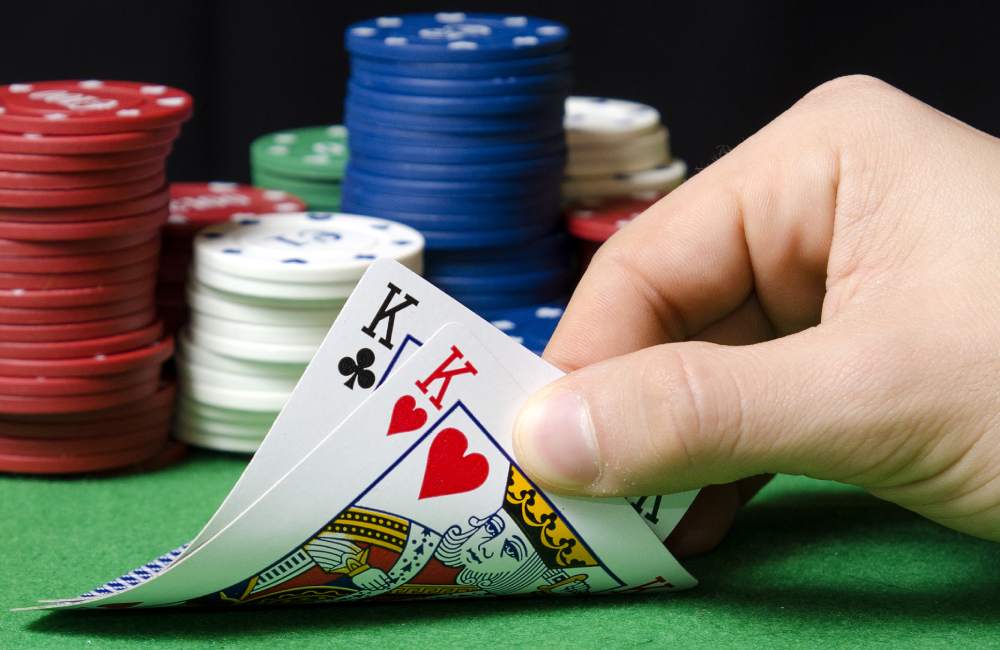
Poker is one of the most popular and strategic card games in the world. It is played in casinos, online platforms, and private games, attracting millions of players who enjoy the combination of skill, psychology, and chance. Unlike many casino games, poker gives players the opportunity to improve their results through learning and experience.
In this comprehensive guide, we will teach you how to play poker, explain the rules, and introduce essential strategies to help you get started.
What Is Poker?
Poker is a card game where players compete to win chips or money by forming the best hand or forcing their opponents to fold. The game involves betting rounds, strategic decisions, and reading other players.
If you want to explore more about آموزش بازی پوکر , you’ll find that mastering the game requires both knowledge and practice.
Basic Rules of Poker
Objective of the Game
The goal in poker is to win the pot, which is the total amount of bets placed during a hand. You can win by:
-
Having the best hand at the end (showdown)
-
Making all other players fold
Poker Hand Rankings
Understanding hand rankings is the foundation of poker:
-
Royal Flush
-
Straight Flush
-
Four of a Kind
-
Full House
-
Flush
-
Straight
-
Three of a Kind
-
Two Pair
-
One Pair
-
High Card
How to Play Poker (Step by Step)
1. Placing the Blinds
In games like Texas Hold’em, two players place mandatory bets called blinds before cards are dealt.
2. Dealing Cards
Each player receives cards depending on the game type. In Texas Hold’em, players get two private cards.
3. Betting Rounds
Players take turns to:
-
Check
-
Bet
-
Call
-
Raise
-
Fold
4. Community Cards
In some variants, cards are placed on the table for all players to use.
5. Showdown
If more than one player remains, the best hand wins the pot.
Popular Poker Variants
Texas Hold’em
The most popular version of poker. Players use two personal cards and five community cards.
Omaha
Players receive four cards but must use exactly two of them along with three community cards.
Seven-Card Stud
No community cards are used. Each player receives a mix of face-up and face-down cards.
Basic Poker Strategies
Play Strong Starting Hands
Avoid playing weak hands. Focus on strong combinations like high pairs or suited connectors.
Understand Position
Your position at the table affects your decisions. Acting later gives you more information about other players.
Learn to Fold
Folding is an important skill. Not every hand is worth playing.
Be Selectively Aggressive
Play your strong hands confidently, but avoid unnecessary risks.
Beginner Tips for Poker
Start with Low Stakes
Play with small amounts to gain experience without risking too much money.
Observe Your Opponents
Pay attention to how others play. Look for patterns in their behavior.
Control Your Emotions
Avoid playing when you are frustrated or overly excited.
Practice Regularly
The more you play, the better you understand the game.
Advanced Poker Concepts
Bluffing
Bluffing is when you pretend to have a stronger hand than you actually do. It should be used carefully and strategically.
Pot Odds
Pot odds help you decide whether a call is worth making based on the size of the pot and the bet.
Reading Opponents
Experienced players analyze betting patterns and behavior to predict opponents’ hands.
Common Mistakes to Avoid
Playing Too Many Hands
Beginners often play too many weak hands, which leads to losses.
Ignoring Position
Position is one of the most important aspects of poker strategy.
Chasing Losses
Trying to recover losses quickly often leads to bigger mistakes.
Online Poker vs Live Poker
Online Poker
-
Faster gameplay
-
More hands per hour
-
Easier for beginners
Live Poker
-
Real player interaction
-
Ability to read physical tells
-
Slower pace
Conclusion
Poker is a game that combines skill, strategy, and psychology. While luck plays a role in the short term, long-term success depends on your decisions and understanding of the game.
By learning the rules, practicing regularly, and applying smart strategies, you can improve your performance and enjoy poker at a higher level. Whether you play casually or aim to become a serious player, poker offers endless opportunities for growth and excitement.
Reference: بت فوروارد